Introduction
Like many people, I start my mornings checking financial updates, particularly federal reserve news today, to understand how economic shifts might affect my day. This habit of seeking stability in uncertain information landscapes has become second nature, a way to mentally prepare for whatever the markets might bring. What I didn’t anticipate was how this same search for reliability would translate into other aspects of my life, including something as seemingly simple as what I wear beneath my clothes. The constant stream of federal reserve news today creates a background hum of anticipation and adjustment, making me appreciate the few things in life that don’t require constant monitoring or second-guessing.
Real-life Context
My workdays often involve moving between home office setups and occasional in-person meetings, requiring clothing that transitions seamlessly between different environments. I need pieces that work as hard as I do without demanding constant attention or adjustment. The search for reliable foundation wear became particularly important during weeks filled with economic uncertainty, when the last thing I wanted to worry about was whether my undergarments would cooperate throughout a long day of virtual calls and potential last-minute outings. I found myself drawn to pieces that promised consistency, much like I look for consistent patterns in economic indicators.
During one particularly volatile market period, I noticed how much mental energy I was spending tracking every minor fluctuation while simultaneously dealing with physical discomfort from ill-fitting undergarments. The combination created a sense of being unsettled on multiple fronts. I began to understand that my search for reliable foundation wear wasn’t just about physical comfort—it was about creating pockets of predictability in an otherwise uncertain world. The contrast between the ever-changing economic landscape and my desire for clothing that simply worked became increasingly apparent.
This realization led me to pay closer attention to how different foundation pieces performed during typical workdays. I started noting which items required constant adjustment versus those that faded into the background of my awareness. The best pieces were those I could put on in the morning and essentially forget about until changing at night, much like the most reliable economic policies are those that create stable conditions without requiring constant intervention. This parallel between seeking stability in both economic news and daily essentials began to shape my approach to what I considered worth investing in for my wardrobe.
Observation
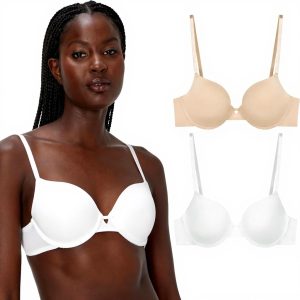
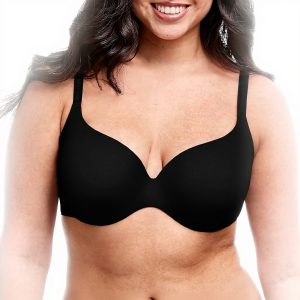
What stood out most was how certain foundation pieces managed to provide both support and flexibility without drawing attention to themselves. The Maidenform underwire bra with its demi t-shirt design and convertible straps proved particularly adaptable to my changing daily needs. On days when I needed to look polished for video calls followed by casual errands, the smooth, invisible look under clothing meant I didn’t need to change between activities. The lightly lined cups eliminated visible lines under both professional blouses and casual t-shirts, creating a consistent foundation regardless of what I layered on top.
The convertible strap feature became unexpectedly valuable during a week when I had multiple outfit changes for different occasions. Being able to switch between traditional and crisscross configurations meant one bra could work with various necklines, fom standard crew necks to racerback styles. This versatility reminded me of how adaptable systems often prove most valuable during periods of change. The Smartzone technology and underwire provided shaping that felt secure without being restrictive, much like well-designed economic policies should support growth without constraining natural market movements.
I particularly appreciated how the 2-pack offering extended the utility beyond just single-day use. Having multiple options in neutral colors like Black/Evening Blush and Almond/White meant I could rotate between them throughout the week without frequent laundering. This practical consideration became more important than I initially realized, especially during busy periods when household chores often get pushed aside. The convenience of having reliable options readily available mirrored the comfort I find in having reliable information sources for understanding economic trends.
The size range availability from 34A to 40D meant finding a proper fit was straightforward, and the adjustable straps allowed for fine-tuning throughout the day as needed. I noticed how the center keyhole accent added just enough visual interest without compromising the bra’s primary function as a foundational piece. These small design considerations demonstrated an understanding of both aesthetic and practical needs, much like effective economic policies must balance multiple competing priorities while maintaining core functionality.
Reflection
I didn’t realize at the time that this search for reliable foundation wear connected so deeply to my broader approach to navigating uncertainty. The parallel between seeking stability in economic information and seeking reliability in daily essentials became increasingly clear the more I paid attention to both. There’s something profoundly comforting about having certain aspects of life that simply work as intended, that don’t require constant monitoring or adjustment. In a world filled with variables and unpredictable elements, these small islands of reliability become anchors that help maintain equilibrium.
The experience made me reconsider what truly constitutes value in everyday items. Beyond initial cost or aesthetic appeal, the most valuable pieces often prove to be those that perform consistently across various situations, adapting to changing needs without requiring significant additional investment or attention. This reliability creates mental space that can be directed toward more complex concerns, whether tracking federal reserve developments or managing other life challenges. The reduction of daily friction points, however small, accumulates into meaningful quality-of-life improvements.
I began to see how the search for comfort and reliability extends beyond personal preferences into deeper human needs for predictability and control. When major systems feel volatile or uncertain, we naturally gravitate toward aspects of life where we can establish stability. This isn’t about avoiding change but about creating foundations that allow us to navigate change more effectively. The right foundation wear, like reliable information sources, becomes part of that personal infrastructure that supports overall well-being during turbulent times.
This reflection also highlighted how we often underestimate the impact of physical comfort on mental clarity. Discomfort, however minor, creates background noise that distracts from more important considerations. Eliminating these distractions through thoughtful choices about everyday items creates cleaner mental workspace for processing complex information and making sound decisions. The connection between physical foundation and mental capacity became increasingly apparent as I noticed how much more focused I felt on days when everything from my undergarments to my information sources worked seamlessly together.
Conclusion
What began as a simple search for comfortable foundation wear evolved into a broader understanding of how we build stability into our daily lives. The parallels between tracking economic indicators and choosing reliable daily essentials reveal deeper patterns in how humans navigate uncertainty. We naturally seek out elements that provide consistent performance and adaptability, whether in information systems or personal items. These choices, while seemingly small individually, collectively create the foundation upon which we build our capacity to handle larger challenges and uncertainties.
The experience reinforced that value often lies not in dramatic features or revolutionary designs but in consistent, reliable performance across varying conditions. Pieces that adapt to changing needs while maintaining core functionality prove most valuable over time, much like economic policies that support stable growth through different market conditions. This understanding has shifted how I evaluate both information sources and personal items, looking beyond surface appeal to consider how they’ll perform across the full spectrum of daily life.
Ultimately, the search for reliability—whether in economic news or foundation wear—reflects our fundamental need for certainties in an uncertain world. These anchors don’t prevent change but provide stability from which to navigate it more effectively. The mental space created by eliminating small daily frustrations becomes available for more meaningful considerations, whether personal, professional, or economic. This interconnectedness between our physical comfort and mental capacity deserves more attention than it typically receives in discussions about navigating complex information landscapes.
As I continue monitoring federal reserve developments and other economic indicators, I carry with me this renewed appreciation for the small, reliable choices that support daily functioning. The search for stability manifests in many forms, from the macroeconomic to the deeply personal, and recognizing these connections helps build more resilient approaches to both information consumption and daily living. The most valuable insights often emerge from noticing these patterns across different aspects of life, finding common threads in how we seek comfort and reliability amid uncertainty.