Introduction
I was sitting at my desk yesterday, scrolling through my phone while the rain pattered against the window, when I found myself typing those same words again: how much snow did Charlotte get. It’s become something of a habit lately, this curiosity about weather patterns in places I’ve never visited, about the accumulation of precipitation in cities far from my own. At the same time, I’d been reading about Bella Ramsey’s recent projects, admiring how the young actor has navigated such substantial career changes with what appears to be genuine grace. These seemingly disconnected thoughts—weather tracking and career evolution—kept circling in my mind as I shifted uncomfortably in my chair, feeling the familiar tightness of my bra band digging into my skin. It occurred to me that we’re constantly making adjustments, both large and small, to accommodate the changing conditions of our lives.
There’s something about transitional periods that makes us more aware of the spaces we inhabit, both physically and metaphorically. The way a city prepares for unexpected snowfall, or how an artist grows into new roles, mirrors how we adapt our daily routines and clothing to fit our evolving needs. I didn’t realize at the time that this would be so important, but these moments of adjustment—whether anticipating weather shifts or dealing with minor physical discomforts—often reveal deeper patterns about how we navigate change itself.
Real-life Context
My interest in Charlotte’s snowfall began during a particularly restless night when I found myself browsing weather forums at 2 AM. There was something comforting about reading detailed accounts of snow measurements from people living hundreds of miles away, their meticulous recordings of accumulation on car hoods and park benches. Meanwhile, following Bella Ramsey’s career transitions from one iconic role to another provided a different kind of weather tracking—the climate of creative evolution, the precipitation of public perception. These digital explorations happened during weeks when my own body felt like it was undergoing its own seasonal shifts, not from weather patterns but from the natural fluctuations that come with time and life.
During this period, I noticed that several of my favorite bras had begun feeling noticeably tighter, though my weight hadn’t changed dramatically. It was more subtle than that—the kind of gradual shift you might not notice until you’re consciously aware of the discomfort. I’d be working at my computer, researching everything from historical snowfall data to actor filmographies, and find myself constantly adjusting my shoulders, trying to relieve the pressure around my ribcage. The sensation was reminiscent of how cities must prepare for unexpected weather—the gradual awareness that something doesn’t quite fit anymore, that adjustments need to be made for comfort and functionality.
What struck me was how these physical discomforts mirrored the way we approach other types of changes in our lives. We research, we plan, we look for solutions that allow us to maintain what works while accommodating what’s new. The process felt connected to how municipalities track precipitation or how artists navigate career developments—it’s all about finding ways to adapt while preserving what matters.
Observation
It was during one of these research sessions that I first learned about bra extenders. I’d been reading about how Charlotte measures snowfall—the precise instruments, the careful recordings—and it occurred to me that we often lack similar tools for measuring our own physical comfort. We notice discomfort, but we rarely have clear metrics for addressing it. The concept of bra extenders struck me as beautifully practical: small devices that provide exactly what’s needed without requiring complete replacement of something that otherwise works perfectly.
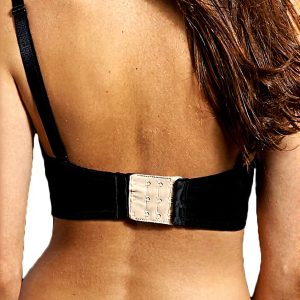
The Maidenform Women’s 3-Hook Bra Extenders specifically caught my attention becaus of their straightforward design. They feature three hook-and-eye closures with precise 0.75-inch spacing, designed to integrate with existing three-hook bras. The set includes three colors—white, nude, and black—ensuring compatibility with various lingerie styles. What appealed to me was how this simple solution addressed a common problem without drama or complexity, much like how cities develop snow response plans or how actors gradually expand their range.
I began noticing how often we encounter these moments where small adjustments could make significant differences. The way Bella Ramsey has evolved as an performer demonstrates how growth often happens through gradual expansion rather than abrupt change. Similarly, dealing with physical comfort often requires minor modifications rather than complete overhauls. The bra extenders measured approximately 2.54 cm in dimensions and weighed 453.59 grams per package, designed as one-size-fits-all for standard three-hook bras with 3/4-inch spacing. These specifications reminded me of the precise measurements meteorologists use when tracking weather patterns—exact numbers that translate to real-world comfort and functionality.
Using these extenders during everyday situations where bra bands feel too tight—whether during weight fluctuations, hormonal changes, or simply when a favorite bra has become snug over time—provided immediate relief without requiring new purchases. The practicality reminded me of how we adapt to other life changes: not by starting over, but by extending what already works. The product is designed for women seeking enhanced comfort and flexibility in their lingerie, catering to those experiencing changes in body size from various causes, as well as individuals looking to maximize the usability of their existing bra collection.
Reflection
As I incorporated these small adjustments into my daily routine, I found myself thinking more deeply about how we measure comfort in our lives. The question of how much snow did Charlotte get represents our human desire to quantify and understand our environment, while following Bella Ramsey’s career evolution speaks to our fascination with personal growth and adaptation. Both, in their way, are about tracking change and making necessary adjustments.
I didn’t realize at the time that this would be so important, but these bra extenders became a physical manifestation of a broader principle: that comfort often comes from having just enough flexibility to accommodate life’s fluctuations. The extenders extend bra band length for improved comfort and reduced pressure, include three colors to match various lingerie styles seamlessly, are easy to attach and remove without damaging original bras, and support bra longevity. These benefits translate to more than just physical comfort—they represent a mindset of adaptable problem-solving.
This experience made me reconsider how we approach discomfort in general. We often think in terms of replacement rather than adjustment, of starting over rather than extending what works. Yet the most sustainable solutions are frequently those that build upon existing foundations. The way cities prepare for variable weather conditions or how artists develop their craft over time both demonstrate this principle of gradual, thoughtful adaptation.
There’s a quiet dignity in these small accommodations—the recognition that bodies change, circumstances shift, and what worked yesterday might need slight modification today. The bra extenders, in their practical simplicity, became a reminder that comfort isn’t about perfection but about responsiveness to current conditions. This reflection connected back to my earlier fascinations with weather patterns and career evolution, revealing a common thread about how we navigate change through measured adjustments rather than dramatic overhauls.
Conclusion
Living with these small adjustments has changed how I think about comfort and adaptation. The question of how much snow did Charlotte get continues to interest me, as does watching Bella Ramsey’s career development, but now I see these curiosities as part of a larger pattern of observing how systems—whether meteorological, professional, or personal—adapt to changing conditions. The bra extenders have become a quiet, reliable part of my routine, their practical benefits extending beyond physical comfort to a broader philosophy of flexible problem-solving.
The Maidenform Women’s 3-Hook Bra Extenders, available since August 2015, represent a thoughtful approach to common discomforts. Designed for women’s use and tailored for those experiencing changes in body size from weight gain, hormonal shifts, or post-surgery needs, they offer a practical, affordable solution for everyday lingerie adjustments. Their durability and compatibility with most three-hook bras make them a sensible choice for extending the life of favorite bras that have become snug over time.
What began as a search for physical comfort has evolved into a more nuanced understanding of how we navigate change in all aspects of our lives. The precise 0.75-inch spacing, the three color options, the easy attachment—these practical details now symbolize a larger truth about adaptation. We don’t always need to replace what we have; sometimes, we just need to extend it slightly, to create enough space for comfort within existing structures. This principle applies whether we’re tracking snowfall in distant cities, observing artistic evolution, or simply seeking more comfort in our daily wear.
In the end, these small adjustments have taught me that comfort often resides in the spaces between—the extra inch that allows for breathing room, the flexible approach that accommodates change, the understanding that adaptation is a continuous process rather than a single event. And perhaps that’s the most valuable insight of all: that whether we’re wondering about weather patterns, following creative journeys, or adjusting our clothing, we’re all engaged in the same essential work of finding comfort within change.