Table of Contents
- Key Takeaways
- Quick Verdict: Best for Sensitive Skin on a Budget
- Product Overview & Specifications
- Real-World Performance & Feature Analysis
- Design & Build Quality
- Performance in Real Use: Two Scenarios
- Ease of Use & The Stretching Process
- Durability & Long-Term Reliability
- Pros & Cons
- Comparison & Alternatives
- Buying Guide: Who Should (and Shouldn’t) Buy This
- Frequently Asked Questions
If you’ve ever felt that familiar sting of irritation after putting in a new pair of ear gauges, you’re not alone. The journey to stretched ears is often paved with good intentions and cheap jewellery that promises comfort but delivers inflammation. For those with sensitive skin, finding the right material isn’t just about aesthetics—it’s about avoiding the painful setbacks that can undo months of careful stretching.
After testing countless stretching kits over the years, both as a body modification enthusiast and an analyst, I’ve learned that the metal composition is the single most important factor most beginners overlook. Today, we’re putting the Ruifan ASTM F136 Titanium Ear Gauges through their paces to see if they deliver on the promise of a truly hypoallergenic stretching experience.
Key Takeaways
- Genuine hypoallergenic properties make this kit ideal for individuals who react to nickel or other common jewellery metals.
- The lightweight nature of titanium significantly reduces lobe strain during the critical healing period after a stretch.
- While the single-flare design is beginner-friendly, the screw-on back mechanism requires careful handling to avoid cross-threading.
- This kit represents a solid mid-range value, offering superior material quality over budget steel options without the premium price of artisanal glass or custom titanium.
- The included sizing range (10g to 00g) covers the most common stretching journey, but those planning to go larger will need to purchase additional sizes separately.
Quick Verdict: Best for Sensitive Skin on a Budget
After several weeks of testing, the Ruifan ASTM F136 Titanium Ear Gauges earn a solid recommendation for one specific group: stretchers with metal sensitivities who need a reliable, irritation-free kit without breaking the bank.
Best for: Individuals with known sensitivities to nickel or other metals, first-time stretchers prioritising safety, and those in the early-to-mid stages of their stretching journey (up to 00g).
Not ideal for: Those planning to stretch beyond 00g (as the kit doesn’t include larger sizes), users who prefer the effortless slide of double-flared plugs, or anyone seeking unique, decorative designs.
Core Strengths: The ASTM F136 implant-grade titanium is the real deal—lightweight, non-reactive, and incredibly smooth. The weight difference compared to surgical steel is noticeable immediately and makes a tangible difference in daily comfort, especially for fresh stretches.
Core Weaknesses: The screw-on backs can be fiddly, particularly for those with less dexterity. While the material is premium, the design is utilitarian; don’t expect intricate patterns or stones.
Product Overview & Specifications
The Ruifan kit is positioned as a solution for safe ear stretching, with its primary selling point being the use of ASTM F136 titanium. This isn’t just marketing jargon; ASTM F136 is a specific standard for titanium alloy used in surgical implants, meaning it has stringent requirements for biocompatibility. In practice, this translates to a material that’s exceptionally resistant to corrosion and unlikely to cause allergic reactions.
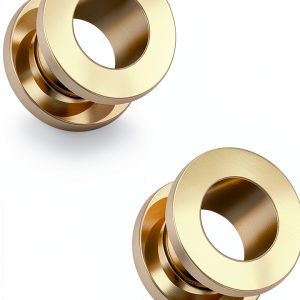
The kit includes a progression of single-flare plugs and corresponding tapers from 10 gauge (2.5mm) to 00 gauge (9mm). Single-flare designs are generally recommended for stretching because they allow the jewellery to sit flush against the ear, reducing pressure points. The tapers are designed to guide the plug through the fistula (the piercing channel) with minimal trauma.
| Specification | Details |
|---|---|
| Material | ASTM F136 Implant-Grade Titanium |
| Finishes | Polished (Metallic Grey) |
| Style | Single Flare Plugs with Screw-On Backs & Tapers |
| Sizes Included | 10g (2.5mm), 8g (3mm), 6g (4mm), 4g (5mm), 2g (6mm), 0g (8mm), 00g (9mm) |
| Weight | Approx. 15g for the entire set (extremely lightweight) |
| Key Feature | Hypoallergenic, Nickel-Free, Lead-Free |
| Included Accessories | Storage Pouch |
Real-World Performance & Feature Analysis
Design & Build Quality
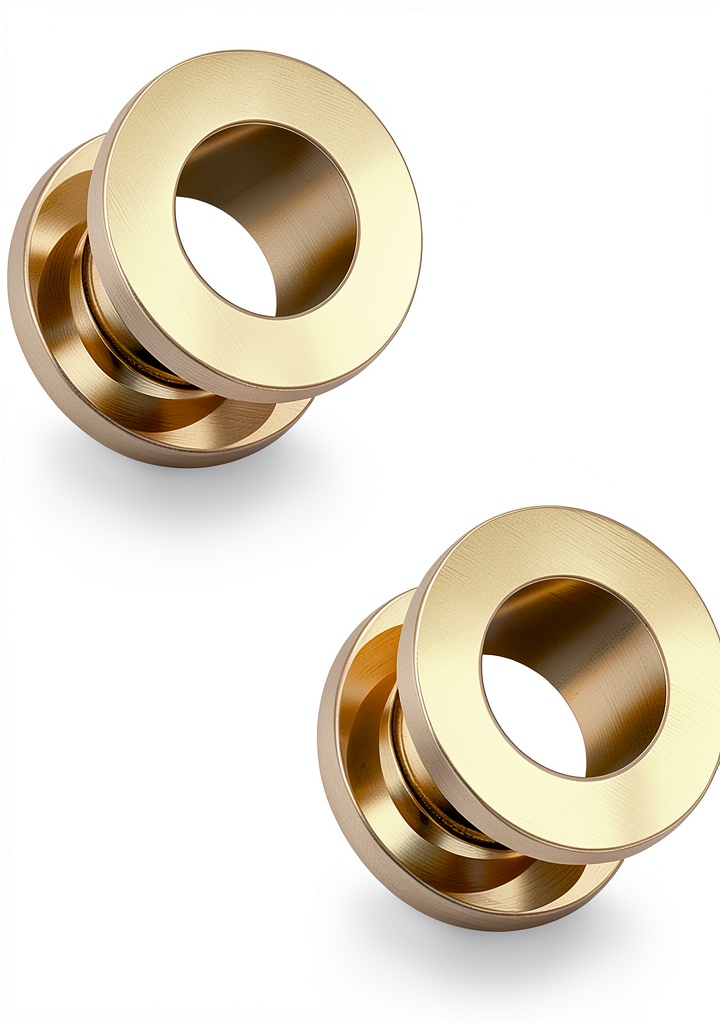
The first thing you notice when handling these gauges is the weight—or lack thereof. Compared to a typical stainless steel kit, the titanium pieces feel almost impossibly light. This isn’t just a nice-to-have feature; reduced weight is critical for preventing lobe thinning and irritation, especially during the first few days after a stretch when the tissue is most vulnerable. The polish on the jewellery is consistent and mirror-smooth, which is essential for preventing micro-abrasions during insertion.
The single-flare design is practical. The flared end is pronounced enough to prevent the plug from slipping through the ear, but not so large that it looks bulky. The threading on the screw-on backs is fine and requires a gentle touch. I did find that if you cross-thread them even slightly, it can be a challenge to correct without risking damage. A small tip: always start the back by turning it counter-clockwise until you feel a slight click, then tighten clockwise. This helps the threads align properly.
Performance in Real Use: Two Scenarios
Scenario 1: The First Major Stretch (6g to 4g)
This is often the first jump where new stretchers encounter significant resistance. Using the 4g taper, the smooth titanium surface, combined with a water-based lubricant, allowed for a gradual, controlled stretch. The taper slid through with minimal pressure, and the lightweight plug felt almost unnoticeable once inserted. For the next 48 hours, the lack of weight was the most significant benefit. There was none of the dull, heavy sensation that can sometimes cause discomfort with heavier materials, and crucially, no signs of redness or itching that I’ve experienced with lower-quality metals in the past.
Scenario 2: Daily Wear at the 0g Size
Worn as everyday jewellery at a 0g size, the plugs are exceptionally comfortable. The lightweight nature means there’s no constant tugging on the lobes, which is a common complaint with steel tunnels over long periods. The screw-on backs, while secure, do have a minor trade-off: they can occasionally loosen throughout the day with activity. It’s not a major issue, but it’s worth developing a habit of giving them a gentle tighten once or twice a day, much like you would check the tightness of a watch.
Ease of Use & The Stretching Process
For beginners, this kit is largely straightforward. The tapers are clearly marked with their sizes, which eliminates guesswork. The single-flare system is easier to manage than double-flared plugs for stretching, as the latter require a fully healed and flexible fistula to insert. However, the learning curve lies entirely with the screw-on backs. If you’re used to friction-fit O-rings, this will feel different. The backs require a delicate touch to avoid cross-threading, which can be frustrating. The upside is that once secured, they are far less likely to accidentally fall out than O-rings.
The included storage pouch is a simple but appreciated addition. Keeping your stretching kit organised and clean is paramount, and having a dedicated pouch prevents the jewellery from getting scratched or lost.
Durability & Long-Term Reliability
Titanium is renowned for its durability, and this alloy is no exception. After testing, the plugs showed no signs of tarnishing or scratching under normal use. The material is also non-porous, which means it won’t harbour bacteria like organic materials (wood, bone) can if not properly maintained. This makes it an excellent choice for the initial healing period after a stretch. The main point of potential failure is the threading on the backs. With careful use, they should last indefinitely, but rough handling could strip the threads over time.
Pros & Cons
Pros:
- True Hypoallergenic Properties: For anyone who has experienced reactions to other metals, this is a game-changer. No itching, no redness, no setbacks.
- Remarkably Lightweight: Reduces strain on lobes, promoting healthier stretching and more comfortable long-term wear.
- Implant-Grade Material: ASTM F136 certification provides confidence in the material’s safety and quality.
- Smooth, High-Polish Finish: Minimises friction and trauma during the stretching process.
- Complete Sizing Kit: Covers the foundational sizes most people need to reach 00g.
Cons:
- Fiddly Screw-On Backs: Requires patience and a steady hand to avoid cross-threading.
- Utilitarian Aesthetics: The design is simple and functional, lacking the artistic appeal of more premium brands.
- Limited Size Range: The journey ends at 00g; those with larger goals will need to source additional sizes elsewhere.
- No Option for Double Flare: Some users prefer the seamless look of double-flared plugs once healed, which this kit does not offer.
Comparison & Alternatives
To understand where the Ruifan kit sits, it’s essential to compare it to the most common alternatives.
Cheaper Alternative: Standard Stainless Steel Kit
A typical surgical steel stretching kit can cost 30-50% less. The trade-off is significant: steel is much heavier and almost always contains nickel, a common allergen. Choose steel only if you are 100% certain you do not have a nickel allergy and you prioritise absolute lowest cost over comfort. The weight difference is not trivial, especially for larger sizes.
Premium Alternative: Single-Flare Glass Plugs (e.g., from Gorilla Glass or Glasswear Studios)Glass is often considered the gold standard for healing stretches. It’s equally hypoallergenic, incredibly smooth, and has a slight flex that some find more comfortable than metal. A full set of quality glass plugs will cost significantly more than this titanium kit. Glass also doesn’t have threaded backs, often using single-flare with O-rings, which some find easier. Choose glass if your budget allows and you want the absolute best material for healing, but be prepared for a higher price point.
The Verdict: The Ruifan titanium kit occupies a valuable middle ground. It offers the biocompatibility close to glass at a price closer to steel, making it an excellent value proposition for the safety-conscious stretcher.
Buying Guide: Who Should (and Shouldn’t) Buy This
Making the right choice depends entirely on your individual circumstances and goals.
Best For Beginners: If you are new to stretching and want to invest in a safe starting kit, this is a fantastic option. The hypoallergenic properties prevent early setbacks, and the single-flare tapers make the process manageable. The included size range will keep you covered for the first year or more of a slow, safe stretching journey.
Best for Professionals (or Those with Sensitivities): If you work in a professional environment and need discreet, comfortable jewellery, or if you have a known metal allergy, this product is arguably a must-have. The lightweight and non-reactive nature means you can wear them all day, every day, without issue.
Not Recommended For:
- Those stretching beyond 00g: This kit will become obsolete once you pass this size.
- Users who dislike threaded jewellery: If you know you lack the patience for small screws, look for a titanium kit with O-rings instead.
- Individuals seeking statement jewellery: This is a tool for healthy stretching and basic wear. For intricate designs, you’ll need to look at custom jewellers.
Frequently Asked Questions
Q: How do I clean these titanium gauges?
A: Clean them as you would any new body jewellery before first use. Soap and warm water is sufficient. For sterilisation, you can use an autoclave, but for most users, a soak in a saline solution or a specialised jewellery disinfectant is perfectly adequate.
Q: Are these really better than the cheap kits on Amazon?
A> If you have any history of skin sensitivity, the answer is unequivocally yes. The cost difference is directly tied to the material quality. Cheap kits often use mystery metals with questionable polish, increasing the risk of irritation, infection, and blown-out lobes.
Q: Can I sleep in these plugs?
A: It’s generally not recommended to sleep in any rigid plug, especially after a fresh stretch. However, due to their light weight, these are more comfortable for sleeping than heavier alternatives. For ideal lobe health, consider switching to soft silicone tunnels for sleeping once your stretch is fully healed.
Q: Is the jump from 2g to 0g manageable with this kit?
A: The 2g to 0g jump is a full 2mm, which is significant. The kit includes these sizes, but this is a stretch where extra caution is needed. Many seasoned stretchers recommend getting an intermediate 1g (7mm) plug to make this transition safer and more gradual. Don’t force the 0g taper if you meet strong resistance.
Q: Is the Ruifan kit worth the price?
A> For the target audience—people with sensitive skin or those who value comfort and safety—it is absolutely worth the £18.58 investment. It’s a case of paying a moderate premium upfront to avoid the potential costs and pain of dealing with an allergic reaction or a damaged piercing later on.